



If you’re a homeowner on or near Edisto Beach, SC, and you’re thinking about your roof—whether it’s maintenance, repair, or a full replacement—this blog is tailored just for you. Coastal living comes with special roofing considerations, and getting it right can save you headaches, dollars, and ensure your home stays protected year-round.
Why Roofing at Edisto Beach Requires Extra Care
Living by the sea means your roof faces unique stresses:
● Elevated wind loads, especially during hurricane season (wind uplift is a major factor).
● Salt-air corrosion and higher humidity, which degrade fasteners, flashing, gutters faster than inland.
● Greater UV exposure and thermal swings because of bright sun and reflective surfaces.
● Proximity to tidal and marine conditions can mean more moisture migration, mold/rot risk in roof deck and attic.
Because of these factors, roofing systems at Edisto Beach must be chosen and installed with these in mind so they last and perform.
Key Roofing Considerations for Edisto Beach Homes

1. Choose Wind-Resistant Materials & Proper Fastening
When you mount roofing materials here, make sure your contractor uses:
● High wind-rated shingles or materials (look for ASTM or local code ratings).
● Proper fasteners (e.g., galvanized or stainless steel nails/screws) to resist corrosion from salt air.
● Adequate sealing at edges, ridges, hips and valleys because wind can lift shingles if nails are weak or flashing is loose.
2. Corrosion-Resistant Flashing, Gutters & Details
Because the salt air accelerates metal corrosion:
● Use aluminum, stainless steel, or marine-grade flashing around penetrations, chimneys, skylights.
● Ensure gutters/downspouts are corrosion-resistant and properly sloped to reduce standing water or overflow that could impact roof edges.
● Inspect attic ventilation and fascia for any signs of rust or rot, which may signal flashing or roof-edge failure.
3. Quality Underlayment & Decking
Even the best shingles fail if the substrate or underlayment is compromised. At Edisto Beach:
● Opt for synthetic underlayment with good water-holding capacity.
● Ensure the roof deck is in good condition (no rot, sagging, water stains).
● Consider a secondary barrier (roofing membrane) in coastal zones or for homes expecting high exposure.
4. Choosing Materials That Fit the Local Style & Lifespan
You’ll want a roof that both looks good on a beach home and performs. Consider:
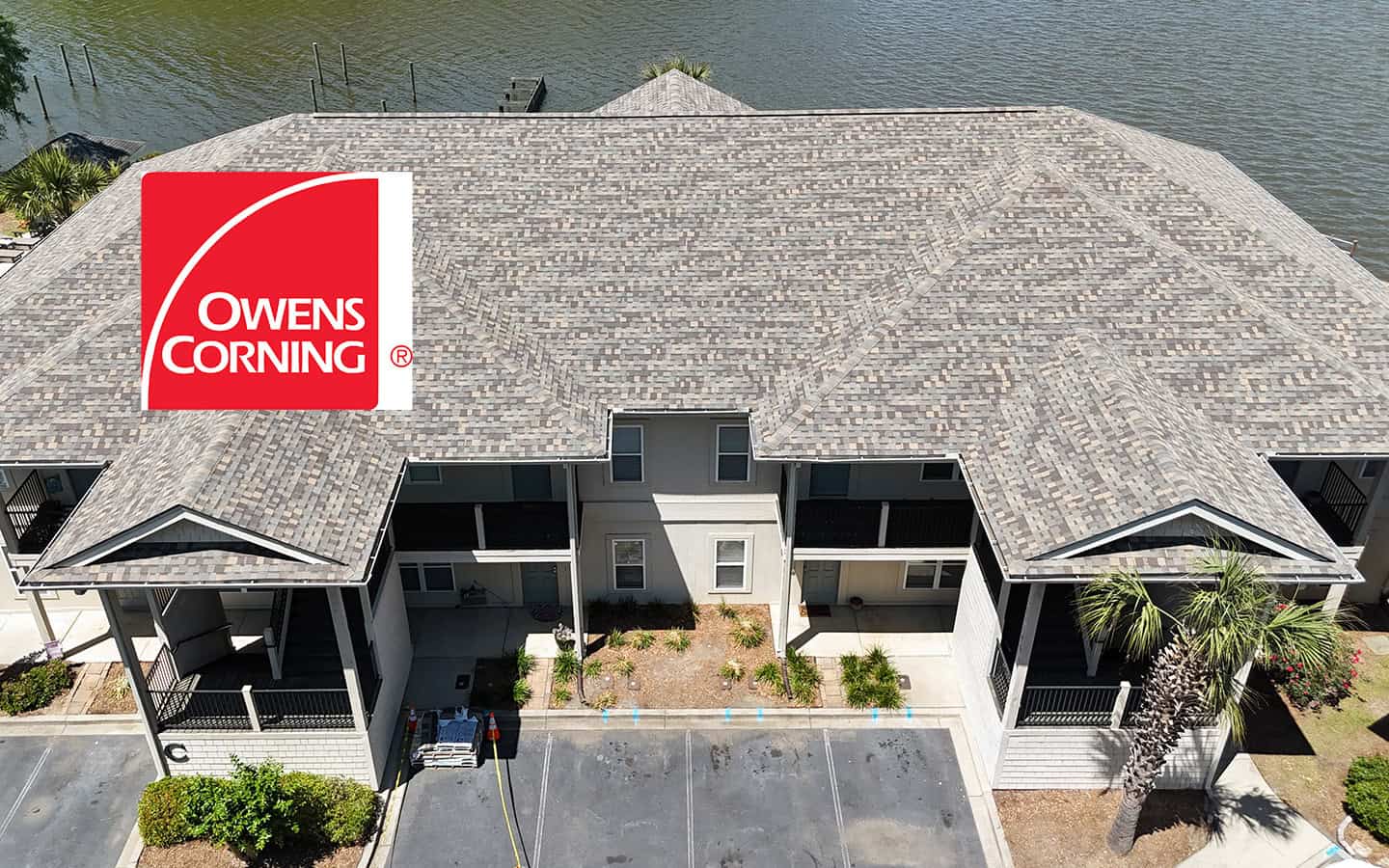
● Architectural asphalt shingles with high wind rating (budget-friendly, decent lifespan).
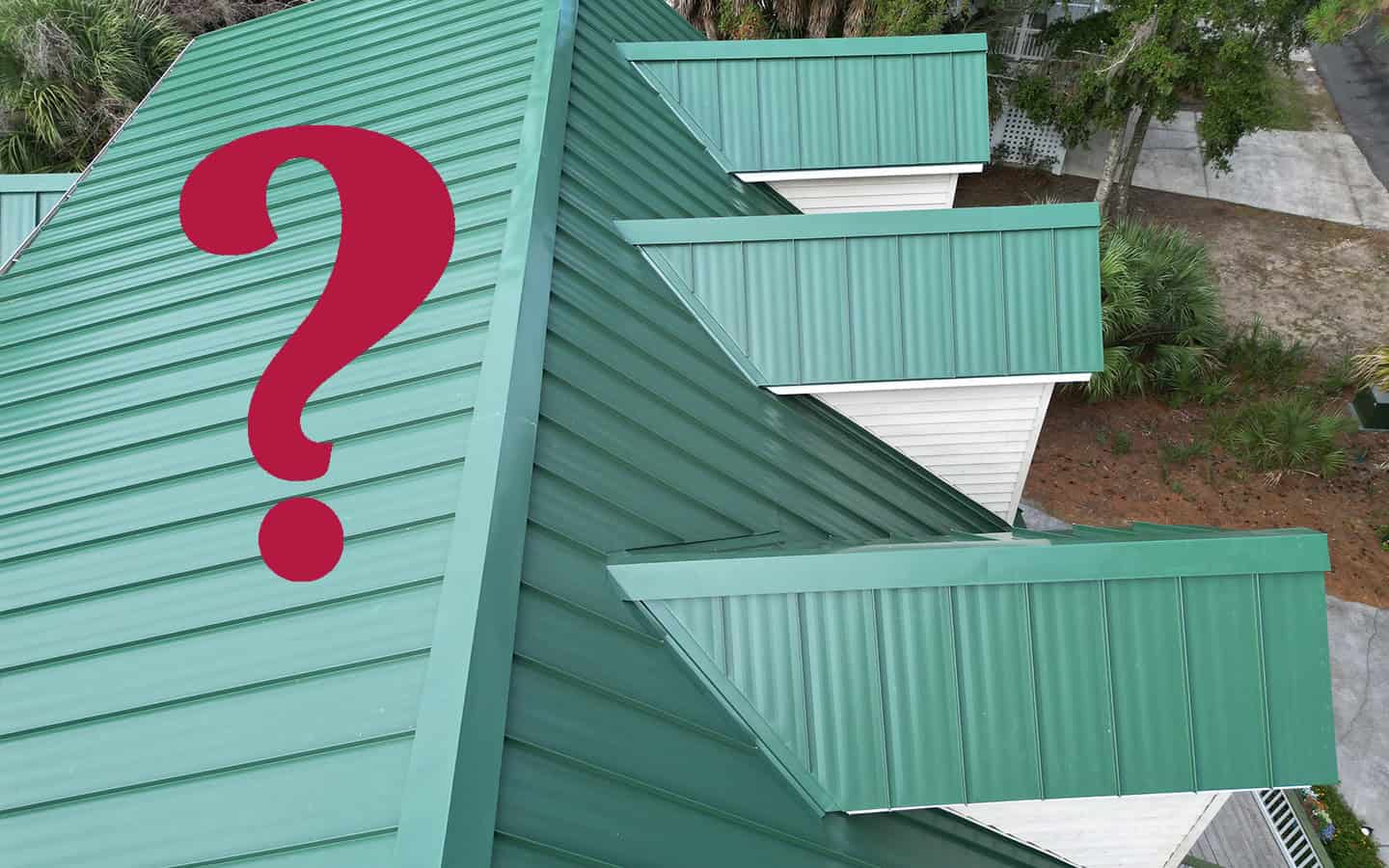
● Metal roofing for long life, great wind resistance, and marine exposure tolerance.
● Tile or slate can look great, but inspect structure (they’re heavy) and whether the extra cost gives you the payback you need.
5. Maintenance and Inspection After Storms
Because storms are a real risk in the Lowcountry:
● Schedule a roof inspection after any major wind/hail event, even if no leak is visible.
● Clean gutters and roof-edge areas frequently to avoid salt and debris build-up.
● Ensure attic ventilation is working and no moisture accumulation is happening — humid climate + poor ventilation = trouble.
Typical Roofing Steps for Edisto Beach Homes

Here’s a simplified overview of a replacement or major repair process suited for local homes:
- Pre-inspection: Check roof condition, fasteners, flashing, wind damage, attic deck.
- Material selection: Decide on shingles/metal/tile suitable for wind, salt, humidity.
- Removal of old roof: Strip down to deck if needed; inspect deck condition.
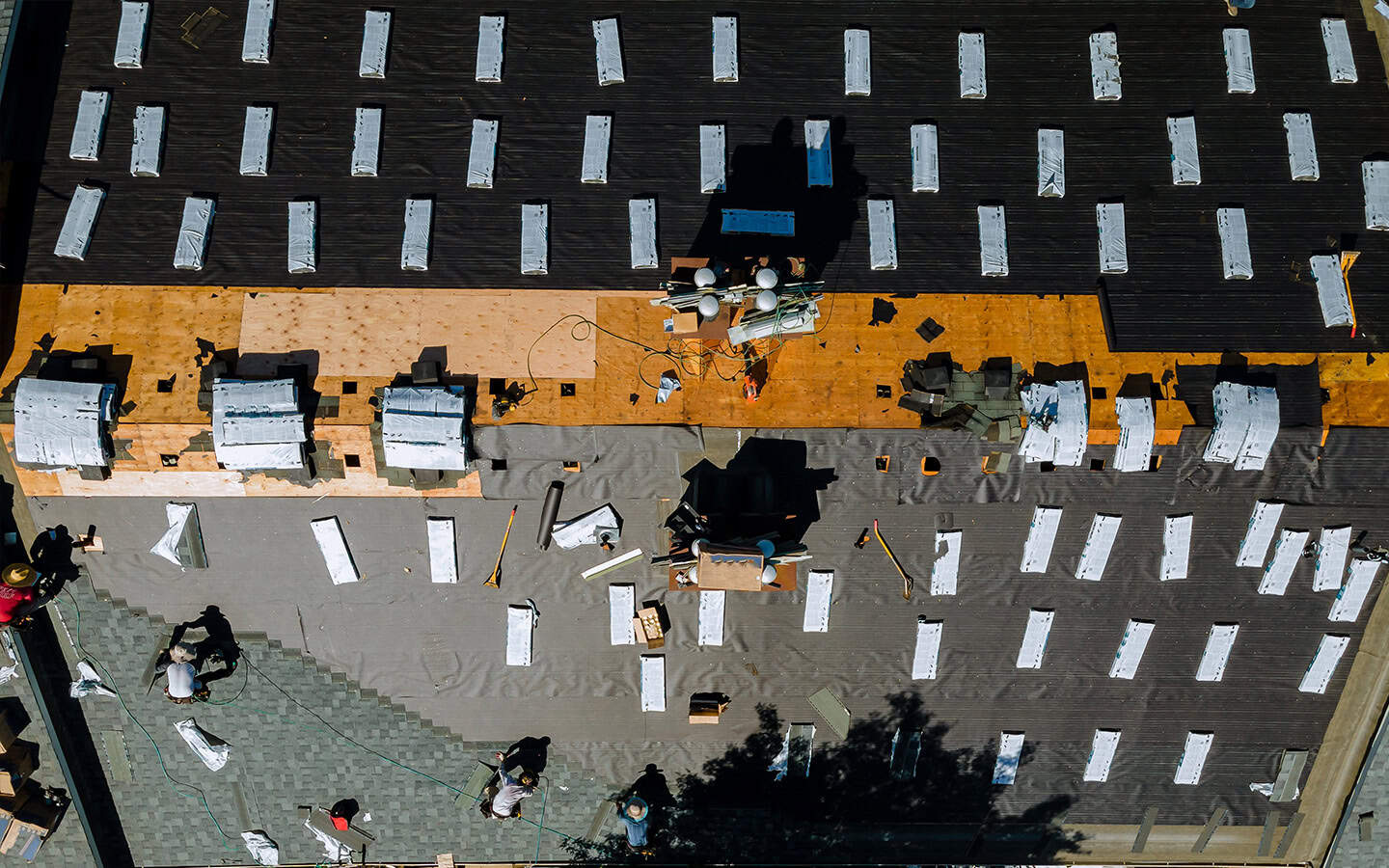
- Deck repairs & underlayment: Repair any damaged or rotten deck; install quality underlayment plus optional water barrier.
- Installation of roofing material with correct nails (corrosion-resistant) and fastening patterns according to high wind specs.
- Flashing & finishing: Install metal flashing, ridge caps, seal penetrations properly.
- Final inspection & cleanup: Confirm edges are sealed, no loose material, gutters clear.
- Document warranty, materials, install date: Important for future resale and insurance.
Why Choosing a Local Roofing Contractor Matters
When dealing with coastal roofing, it’s not just about the material—it’s about local expertise. A contractor familiar with Edisto Beach will know:
● Local wind/permit codes and how to get them met.
● What materials withstand the local marine/salt environment best.
● How to inspect and maintain roofs in the coastal Lowcountry context.
● How to handle storm-damage claims, insurance work, and wind/hail repairs typical for the region.
Final Thoughts: Protect Your Home with the Right Roof
If you’re a homeowner at or near Edisto Beach, investing in a roof designed for your specific environment yields real value: fewer repairs, longer lifespan, better resale, and most importantly — peace of mind during storm season.
Want to get started? A great next step is to schedule a free inspection (or at least a consultation) with a local roofing specialist who serves Edisto Beach and the Charleston/Lowcountry region. They can assess your current roof, recommend options, and provide a quote tailored to the coastal conditions.