



When it comes to choosing the best roofing material for a U.S. home, there’s no one-size-fits-all answer. Your choice will depend on budget, climate, style of the house, longevity expectations, and maintenance willingness. In this article we’ll walk through the most commonly used roofing materials, discuss their pros and cons, and provide guidance on how to pick the right one for your home.
Why Roofing Material Matters
Your roof is one of the most important components of your home’s exterior envelope. It:
● Protects from weather (rain, snow, hail, wind)
● Affects energy efficiency (via insulation and reflectivity)
● Adds to curb appeal and resale value
● Determines lifespan and maintenance requirements
Choosing the right material helps avoid frequent replacements, high energy bills, or unexpected repair costs.
Key Criteria for Choosing Roofing Materials
Here are the factors you’ll want to evaluate:
● Lifespan: How long the material is expected to last. For example, some materials may last 20 years, others 50+ or even 100+.
● Cost: Both upfront cost (materials + installation) and lifetime cost (maintenance + replacement).
● Weather & climate suitability: Durability in heat, cold, hail, wind; reflectivity (for hot climates) or snow/ice resistance (for cold).
● Style / aesthetics: The look of the roof, color and texture options, whether it matches the house architecture.
● Weight / structural requirements: Some materials are heavy and may require additional structural support.
● Maintenance & repairability: How easy it is to keep the roof in good shape, and how easy it is to replace damaged sections.
● Environmental / energy‐efficiency factors: Reflective coatings, recyclability, impact on home energy use.
Top Roofing Materials to Consider
Here are six of the most common and highly regarded roofing materials for U.S. homes, along with their strengths and trade-offs.
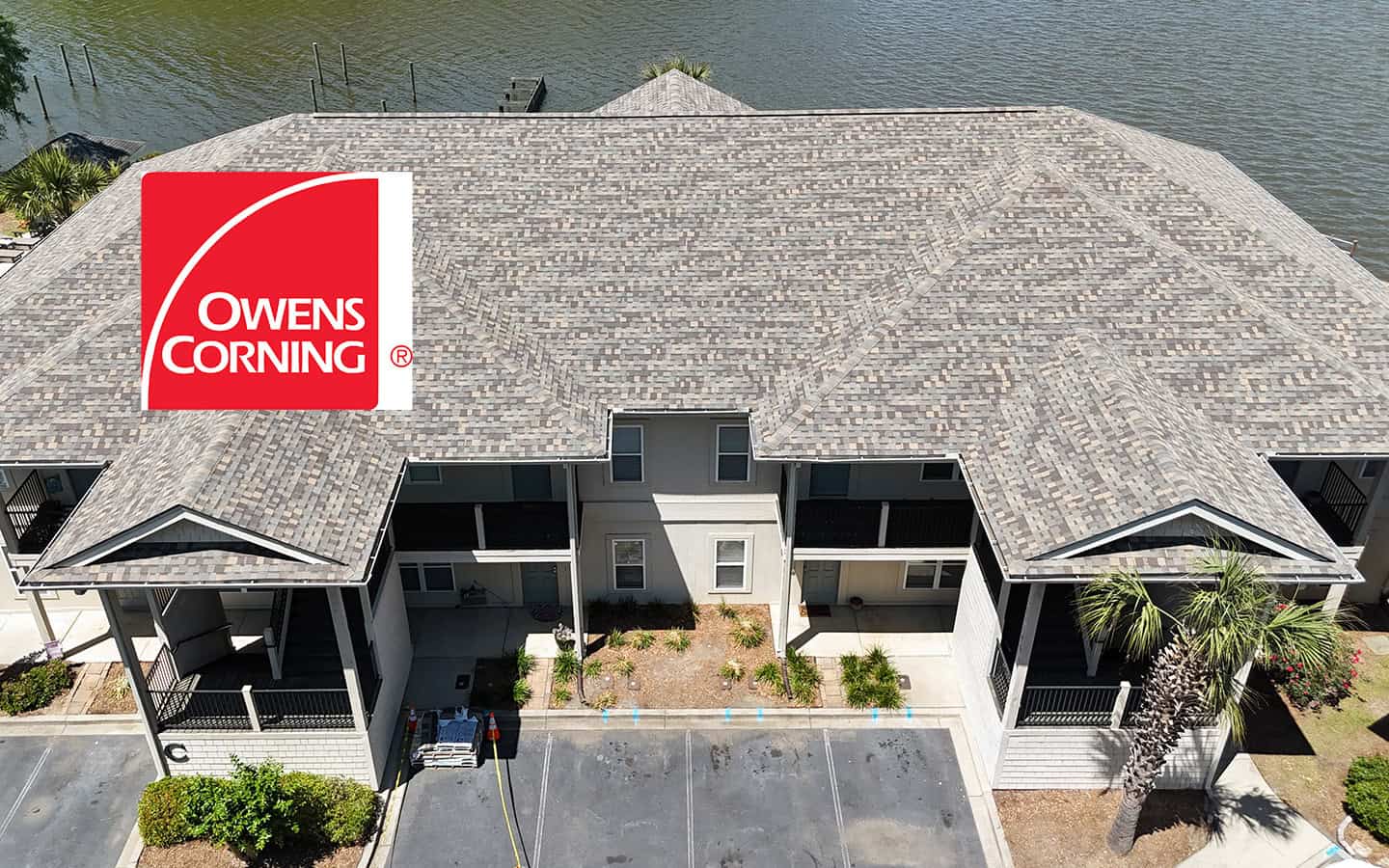
1. Asphalt Shingles

Overview: Asphalt shingles are the default choice for most U.S. homes. They’re available nationwide, are relatively inexpensive, and have many style and color options.
Pros:
● Low initial cost
● Easy and fast installation (many roofing contractors are familiar)
● Wide variety of styles (3-tab, architectural/dimensional, luxury)
● Very accessible
Cons:
● Shorter lifespan compared with premium materials (20-30 yrs typical)
● Vulnerable to severe weather (hail, high winds)
● Not as good in extreme climates for energy efficiency (absorbs more heat)
Best for: Homeowners on a budget who want a reliable roof without premium cost, and who plan for a typical lifespan rather than lifetime value.
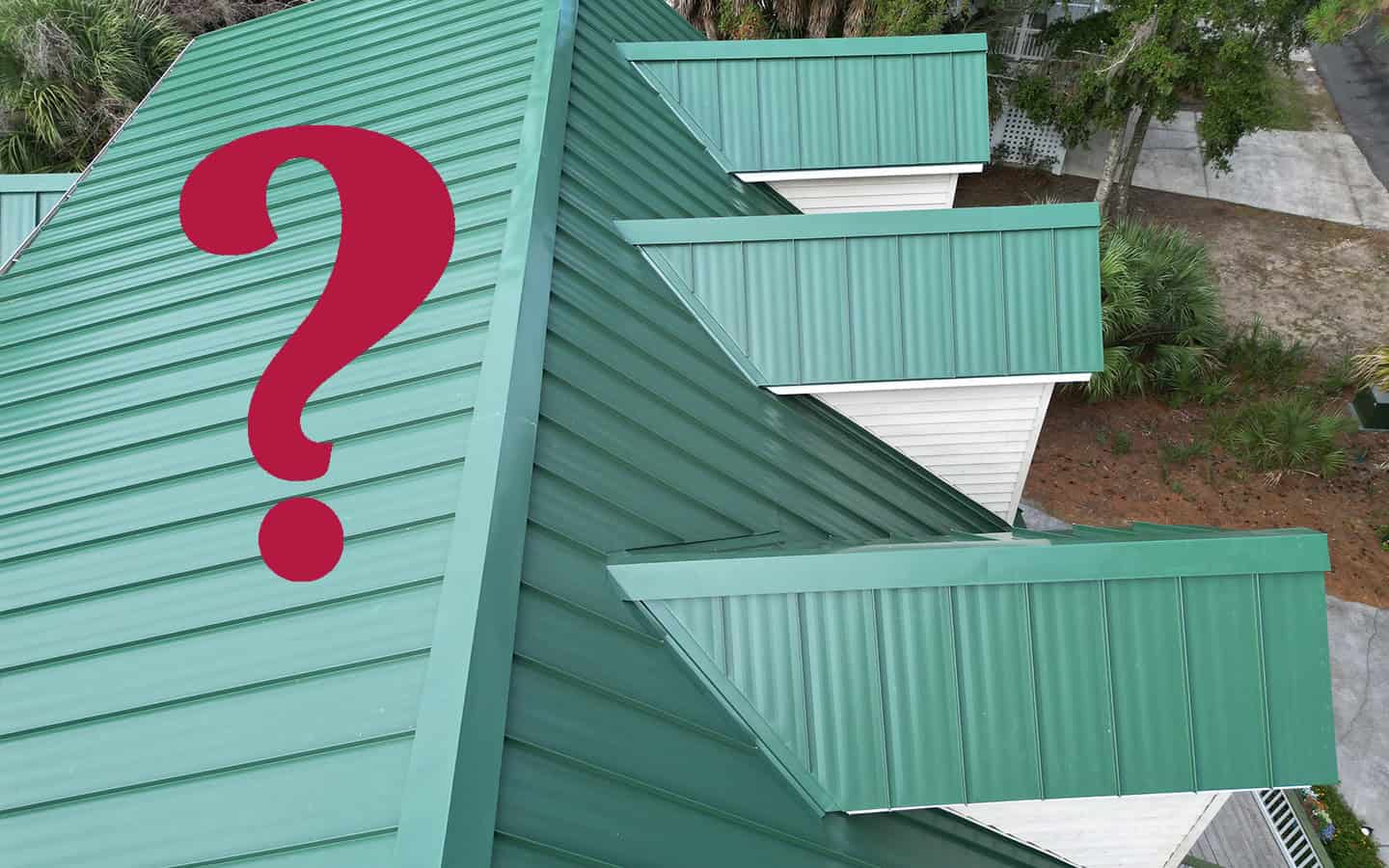
2. Metal Roofing

Overview: Metal roofing (like steel, aluminum, or stone-coated metal) is growing in popularity for residential use due to its durability and modern aesthetic.
Pros:
● Long lifespan (often 50 yrs or more)
● Good energy performance (reflects heat in hot climates)
● Durable against elements (wind, hail)
Cons:
● Higher upfront cost than asphalt
● May require specialized installation skills
● Some metal roofs can make more noise (rain/hail) unless insulated properly
Best for: Homeowners seeking a roof that lasts decades, willing to invest more up front, especially in climates with heat, storms, or requiring low maintenance.
3. Clay & Concrete Tiles

Overview: Tile roofs (clay or concrete) are common in warmer climates, especially in Mediterranean or Spanish‐style homes. They offer a distinctive look and long lifespan.
Pros:
● Long lifespan (often 50 yrs+; some types near 100 years)
● Excellent durability, fire resistance, and good in hot sun
● High curb appeal and resale value
Cons:
● Very heavy – may require structural reinforcement
● Expensive to install
● Fragile when walked on (tile can crack)
Best for: Homes in hot or sunny climates (Southwest, Florida, California), homeowners seeking premium look and longevity, and can accommodate higher cost and structural requirements.
4. Slate Roofing

Overview: Slate is the premium of residential roofing materials. Natural stone, elegant look, and extremely long‐lasting.
Pros:
● Exceptional lifespan (100 yrs+ in many cases)
● Premium aesthetic
Cons:
● Very expensive material and installation
● Heavy weight requiring strong structure
● Requires specialized installers
Best for: High-end homes, historical homes, or homeowners planning to stay for decades and want a “lifetime roof”.
5. Wood Shakes / Shingles

Overview: Wood roofs add a natural, rustic look. However, they bring maintenance and risk.
Pros:
● Attractive, natural look
● Good for certain architectural styles
Cons:
● Fire risk unless treated
● More maintenance (rot, warping, insect damage)
● Shorter lifespan compared to stone/metal
Best for: Homes with architectural style that fits wood, and owners committed to maintenance and perhaps in less extreme weather/higher fire‐risk areas treated appropriately.
6. Synthetic / Composite Roofing

Overview: These are newer roofing materials engineered to mimic slate, tile, cedar, etc., typically made of polymers or recycled materials.
Pros:
● Lighter weight than natural materials
● Lower maintenance
● Greater design flexibility
Cons:
● Often higher cost than standard asphalt
● Relatively newer in the market – long‐term performance may vary
Best for: Homeowners who like the premium look (tile or slate mimic), but want something lighter and easier to install/maintain.
How to Choose the Right Material for Your Home
Here are some practical guidelines, especially relevant to U.S. homes and varying regions.
- Match to climate:
○ In hot-sun states (e.g., South Carolina, Florida): think about reflectivity and heat resistance (metal, tile).
○ In storm/hail zones: durability and wind/hail resistance matter (metal, synthetic, premium asphalt).
○ In snow/cold zones: roof bearing capacity (for heavy tile/stone), snow melt, and maintenance availability matter. - Budget realistically: Don’t just compare material cost. Include installation, maintenance, expected lifespan, and possible structural upgrades.
- Life expectancy vs how long you’ll stay: If you’re planning to live in the home 5-10 years, maybe standard asphalt is okay. If you’re in for the long haul (30-50 yrs), a premium material might pay off.
- Architectural style & resale: The roof is a major visible element of curb appeal. A premium material might boost resale value in certain neighborhoods.
- Contractor availability & expertise: Some premium materials (slate, certain tile, metal) require specialized installers. Make sure your local market supports quality installation.
- Structural considerations: Heavy materials (tile, slate) can require stronger roof framing. Always check with your roofing professional.
- Energy/maintenance benefits: Materials that reduce energy bills (reflective metal) or require less maintenance may deliver long-term ROI.
| Material | Typical Lifespan | Typical Cost* | Key Strengths | Key Trade-offs |
|---|---|---|---|---|
| Asphalt Shingles | ~20-30 years | Lowest | Affordable, widely available | Shorter life, less premium |
| Metal Roofing | ~40-70+ years | Higher upfront | Long life, energy efficient | Upfront cost, installer skill |
| Tile (Clay/Concrete) | ~50-100 years | High | Durable, stylish | Heavy, expensive |
| Slate Roofing | 100+ years | Very high | Ultimate longevity and aesthetics | Cost, structural needs |
| Wood Shakes/Shingles | ~25-40 years | Moderate-High | Natural look | Fire risk, maintenance |
| Synthetic/Composite | ~30-50+ years | Moderate to high | Premium look with lighter weight | Relatively newer category |
Contact Patriot Roofing, Charleston’s Owens Corning Platinum Preferred Contractor, and let us show you why we’re the right choice for your home.